 en
en  Italian

- 21/04/2026
- Laminate surfaces
- Melamine surfaces
Index
-
Article description
- Abet Laminati metallic laminates: technical characteristics and performance
- Abet Laminati metallic surfaces for installations: light, reflection and visual control
- HPL laminates for architecture: applications in contract and interior design
- Surfaces for design exhibition: the dialogue with the Vignelli project
- Metallic laminates and decorative surfaces: trends in contemporary design
- Abet Laminati: HPL surfaces for architecture and design
- Fill the contact form
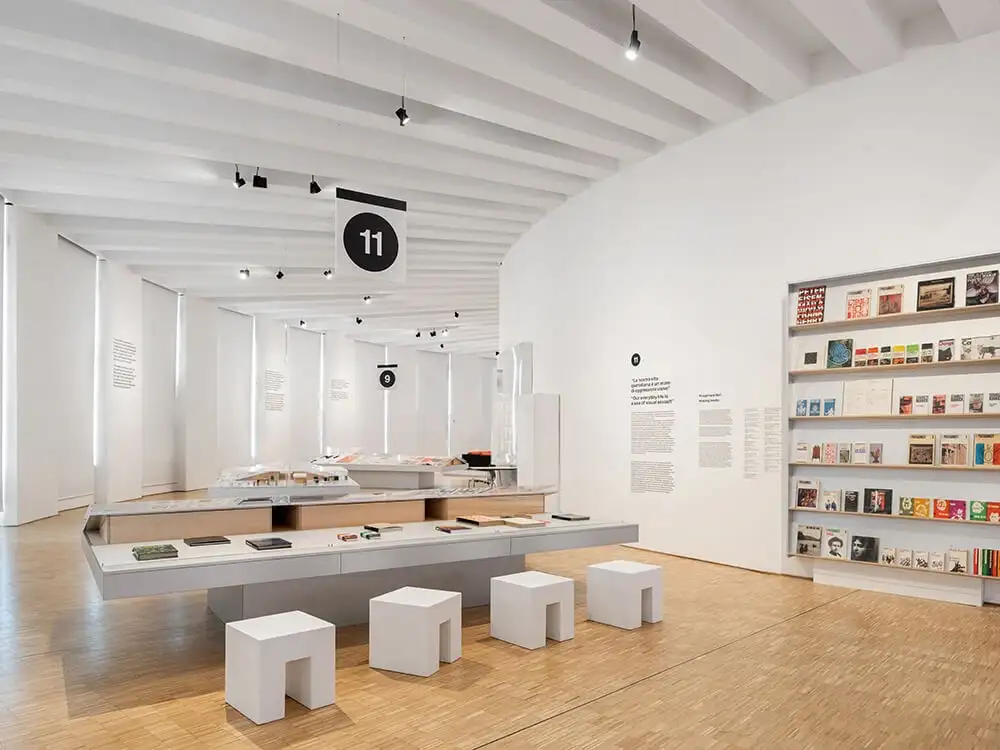
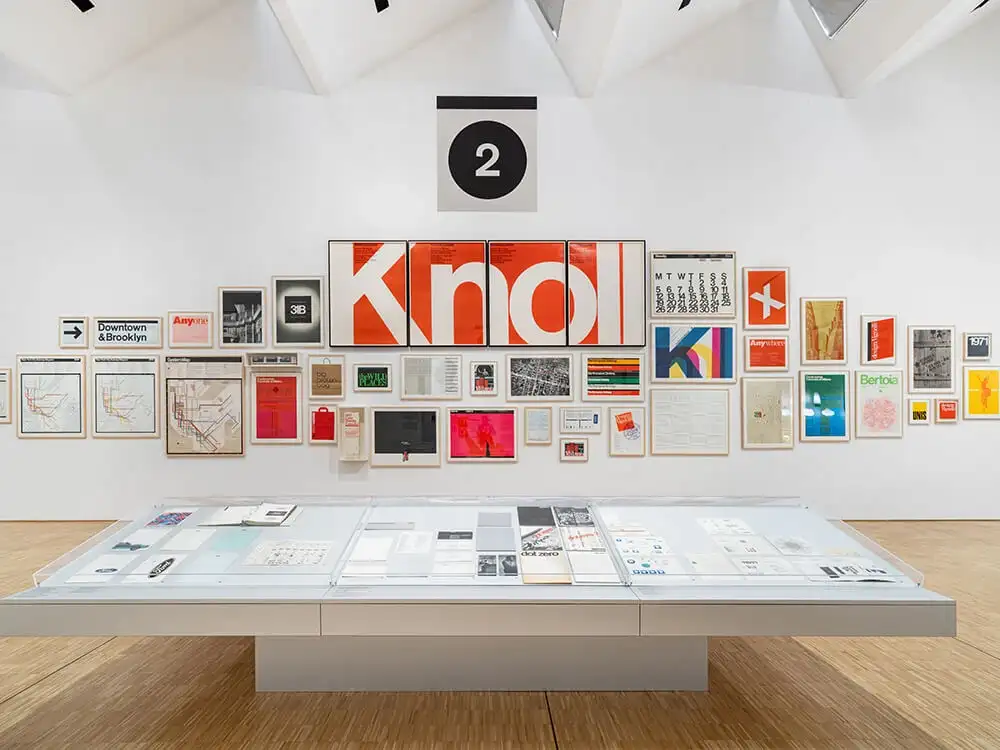
Abet Laminati is partner of Triennale Milano for the exhibition Lella and Massimo Vignelli: A Language of Clarity, confirming the importance of HPL laminates and metallic surfaces in contemporary exhibition design.
In the project, the Abet metallic laminates become structural elements of the installation, contributing to:
- define the architectural space
- optimize the distribution of light
- highlight exhibit content and objects
The HPL surfaces thus establish themselves as strategic materials for museum and contract design.
Abet Laminati metallic laminates: technical characteristics and performance
The Abet Laminati metallic laminates used in the installation are decorative surfaces in which the metal is present in its materiality, ensuring high performance.
The main features of metallic HPL laminates include:
- high surface resistance
- dimensional stability
- ease of processing and application
- uniform aesthetic quality
These properties make the laminates for architecture particularly suitable for:
- vertical claddings
- temporary and permanent installations
- high-traffic contract surfaces
Abet Laminati metallic surfaces for installations: light, reflection and visual control
In the context of the exhibition at Triennale Milano, the metallic laminate surfaces play a fundamental role in light control.
The silver finish enables:
- to reflect light in a controlled way
- to avoid glare
- to improve the legibility of the space
In lighting design for installations, metallic laminates represent a technical solution to manage:
- reflection
- light diffusion
- visual perception
HPL laminates for architecture: applications in contract and interior design
The Abet HPL laminates find applications in numerous areas of contemporary design and architecture:
- museum installations
- retail design
- hospitality and contract
- offices and public spaces
The decorative HPL surfaces allow combining:
- high technical performance
- long-term durability
- aesthetic quality
This makes them ideal materials for projects requiring a combination of durability and design.
Surfaces for design exhibition: the dialogue with the Vignelli project
The exhibition dedicated to Massimo Vignelli and Lella Vignelli represents an ideal context for the use of metallic laminates and HPL surfaces.
The installation project by Jasper Morrison highlights:
- formal simplicity
- geometric rigor
- visual clarity
In this scenario, the Abet Laminati surfaces help build a coherent environment where the material supports the project without interfering with the content.
Metallic laminates and decorative surfaces: trends in contemporary design
In the panorama of industrial design and contemporary architecture, metallic laminates represent one of the main evolutions in the field of surfaces.
Current trends include:
- surfaces with real metal finishes
- technical materials for contract applications
- integration between aesthetics and performance
The Abet laminates fit into this scenario as advanced solutions for:
- interior architecture
- surface design
- exhibition design
Abet Laminati: HPL surfaces for architecture and design
The collaboration between Abet Laminati and Triennale Milano consolidates the company's role in the sector of surfaces for architecture and design.
The HPL laminates are now configured as:
- technical materials for designers
- solutions for complex installations
- surfaces for high-use environments
The Abet surfaces demonstrate how laminate can evolve from a simple covering to a central design element.