 en
en  Italian

Index
-
Article description
- Ceramiche Keope enhances the architectural tradition through porcelain stoneware
- Trevi Cross: travertine-effect porcelain stoneware for contemporary architecture
- Travertine-effect surfaces for continuity between indoor and outdoor
- Ceramiche Keope reinterprets Lombard cotto with CottoMilano
- Technology and materiality for a new generation of surfaces
- Trevi Cross and CottoMilano: two contemporary interpretations of the material
- Fill the contact form
In the field of porcelain stoneware surfaces, the ability to reinterpret historic materials through contemporary languages is today one of the most interesting challenges for architecture and interior design. With the new collections Trevi Cross and CottoMilano, Ceramiche Keope offers two surfaces that transform travertine and cotto into advanced design tools, combining material research, technological innovation and application versatility. Two collections that convey the value of Italian tradition through the language of contemporary surface design.
Ceramiche Keope enhances the architectural tradition through porcelain stoneware
The research developed by Ceramiche Keope continues to explore the relationship between Italian architectural heritage and ceramic innovation. With the new collections Trevi Cross and CottoMilano, the company proposes two interpretations of the material deeply rooted in Italian design culture, reinterpreted through the potential of contemporary porcelain stoneware.
On one hand travertine, protagonist of some of the most important buildings in architectural history; on the other hand cotto, a material that for centuries has characterized the Italian urban and rural landscape. Two surfaces that today find a new expression thanks to ceramic technology and a design approach oriented to the needs of contemporary architecture.
Trevi Cross: travertine-effect porcelain stoneware for contemporary architecture
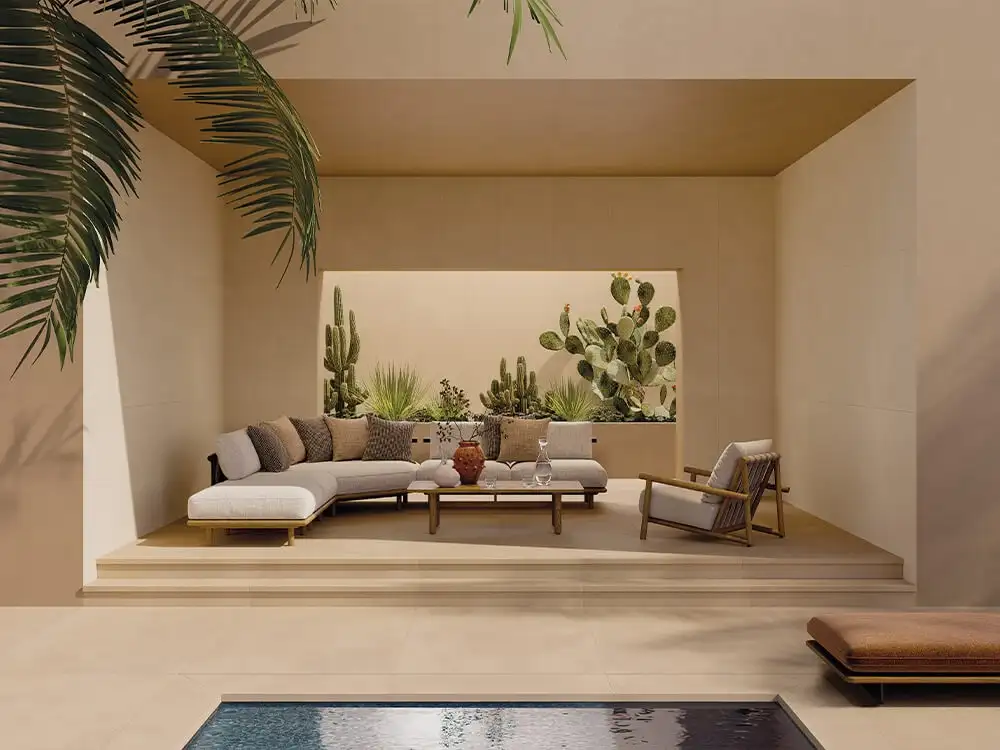
The Trevi collection, inspired by the most prized travertines of the Italian tradition, is enriched by Trevi Cross, a new interpretation characterized by the classic crosscut that enhances the typical clouded effect of natural stone.
The surface conveys the full aesthetic depth of travertine through soft shades, delicate tonal transitions and a refined texture that interacts with light in a natural way. The result is an elegant and versatile collection, designed for residential environments, hospitality spaces and contemporary architecture.
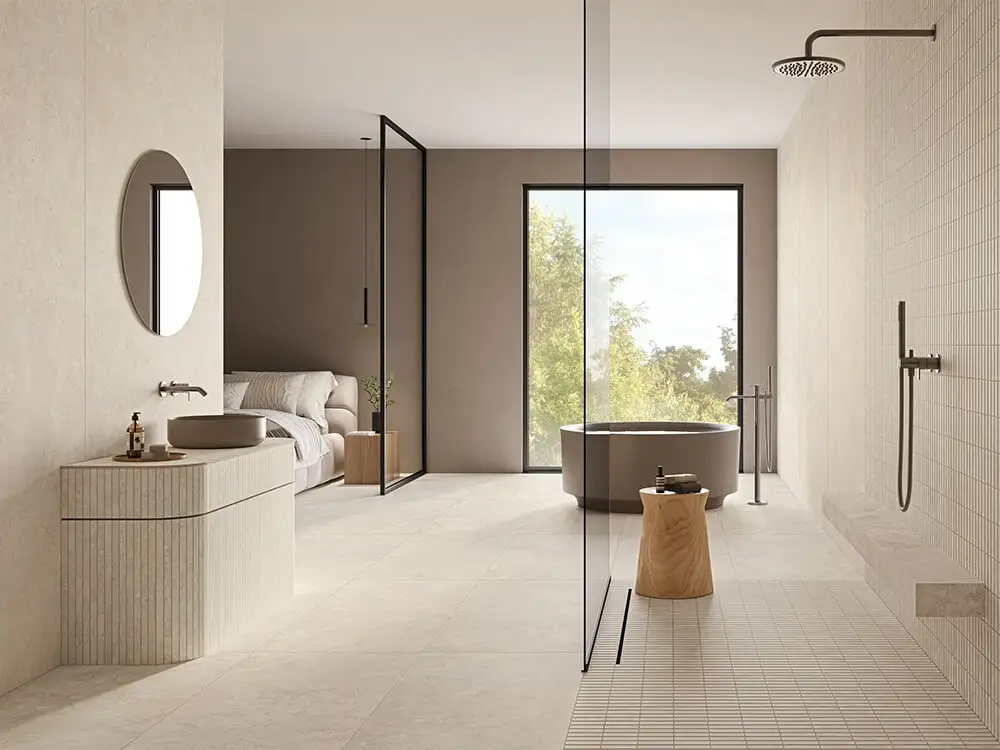
Particularly significant is the availability of large slabs up to 120x278 cm, which allow the creation of continuous surfaces and reduce the visibility of joints, a feature increasingly requested in interior design projects and high-end contract implementations.
The color palette develops around the tones White, Pearl, Ivory and Walnut, contemporary interpretations of travertine capable of adapting to different design languages, from the most essential minimalism to more sophisticated environments.
Travertine-effect surfaces for continuity between indoor and outdoor
One of the most interesting aspects of Trevi Cross is the possibility of creating aesthetic continuity between indoor and outdoor spaces. The different finishes available indeed allow the same surface to be used in multiple design contexts, helping to create fluid and coherent spaces.
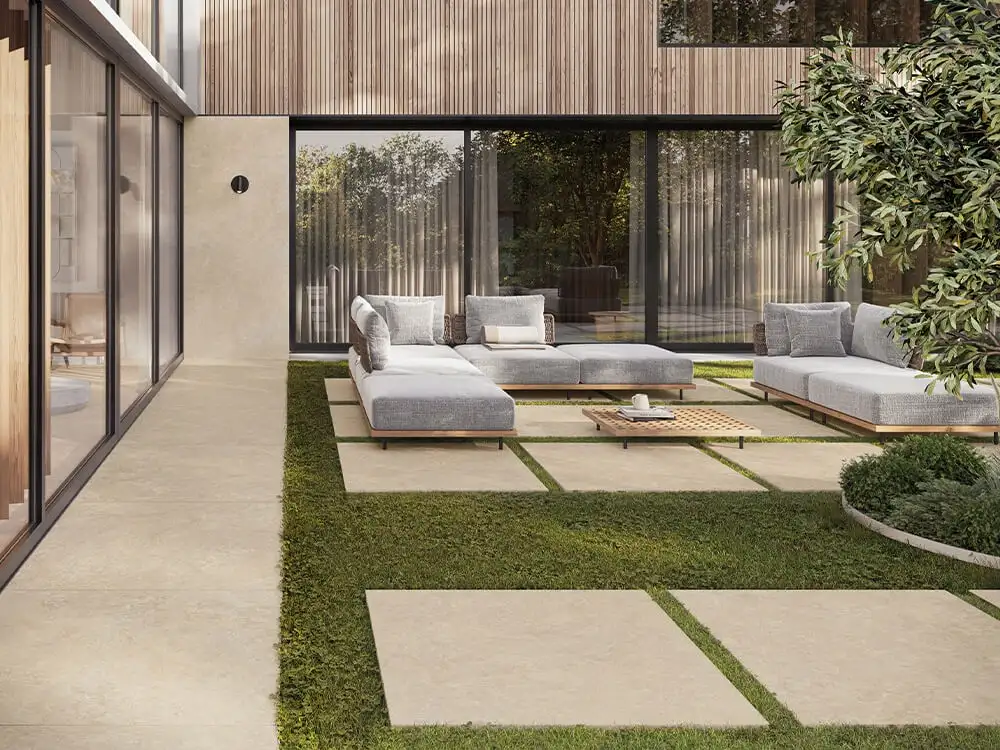
The collection is also completed by three-dimensional decorative elements that amplify the materiality of the surface and introduce new expressive opportunities for architects and designers.
Thanks to the combination of natural aesthetics and the technical performance of porcelain stoneware, Trevi Cross represents a particularly interesting solution for floors, wall coverings, wellness, hospitality and contemporary outdoor spaces.
Ceramiche Keope reinterprets Lombard cotto with CottoMilano
With CottoMilano, Ceramiche Keope offers a contemporary reading of cotto inspired by Milanese architectural tradition and the historic Fornace Curti.
The collection was born from the collaboration between designer Domenico Orefice and the Keope Research & Development team with the aim of transforming the authentic character of cotto into a contemporary surface capable of dialoguing with international architecture.
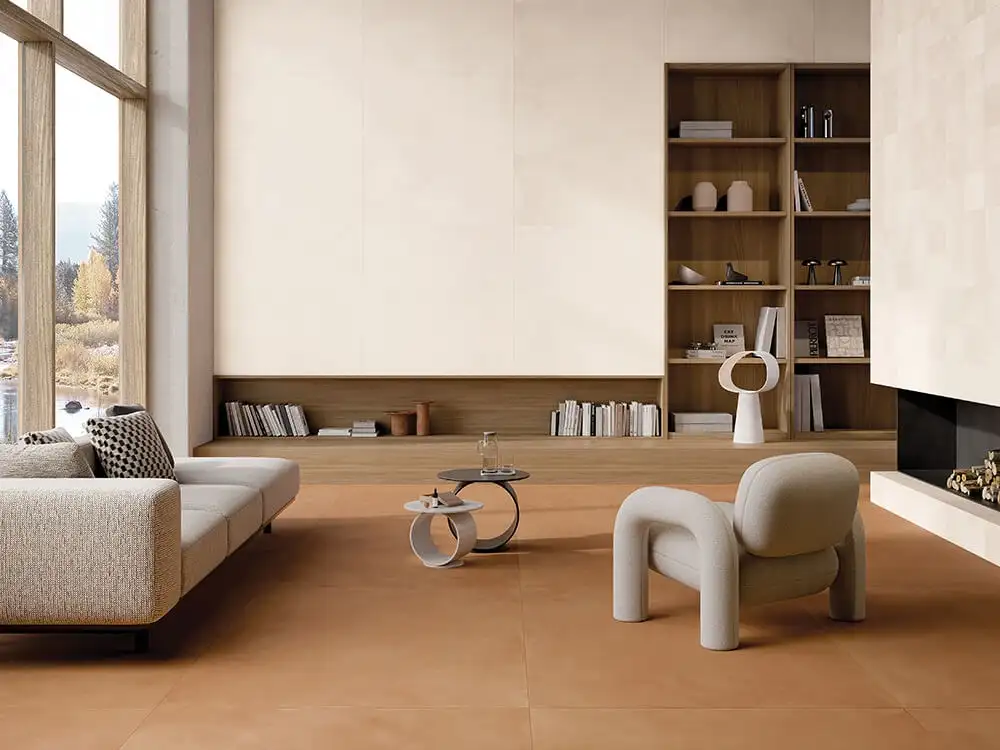
More than a simple reproduction of the original material, CottoMilano represents a design reinterpretation that preserves the warmth and identity of cotto, enriching it with new application possibilities and advanced technical performance.
The tones Terracotta, Sand, Clay, Earth and Talc make it possible to create environments with a strong material character, while offering considerable compositional freedom for interior designers and planners.
Technology and materiality for a new generation of surfaces
A distinctive element of the collection is the new ULTRAmatt finish, subject to a patent application, which gives the surface high opacity and a pleasant tactile softness, while maintaining ease of maintenance and high performance.
Alongside the ULTRAmatt finish, the collection offers Glossy and Structured R11 surfaces, further expanding the possibilities of use in indoor and outdoor environments.
Also particularly interesting is the decorative system that accompanies the collection. Decorations, brick-like elements and textured surfaces reinterpret architectural elements of the Milanese tradition through a contemporary language, offering design tools capable of enhancing walls, vertical surfaces and spaces characterized by a strong aesthetic identity.
Trevi Cross and CottoMilano: two contemporary interpretations of the material
Although originating from different materials, Trevi Cross and CottoMilano share the same design philosophy: to enhance the memory of the material through contemporary ceramic technology.
Travertine and cotto thus become advanced design tools, capable of meeting the needs of contemporary architecture without renouncing the connection to tradition.
With these two collections, Ceramiche Keope confirms its role on the international stage of porcelain stoneware surfaces, proposing solutions that combine design, innovation, application versatility and material culture.