 en
en  Italian

Index
-
Article description
- Custom wall coverings for interior design and contract
- Modern Roots: wallpaper inspired by Brazilian modernism
- Mother Earth: wall coverings inspired by nature and material
- Wild Is The Wind: minimalist wallpaper for contemporary architecture
- Decorative surfaces for contemporary architecture and interior design
- Fill the contact form
The Contemporary Wallpaper 2026 Collection offers a new interpretation of wallpaper for architecture and interior design, turning decorative wall coverings into advanced design tools.
Designed for contract, hospitality and residential environments, the collection interprets vertical surfaces as architectural elements capable of defining identity, atmosphere and the spatial experience.
Thanks to a combination of material research, contemporary visual language and high technical performance, wallpaper becomes a design system able to integrate naturally into complex contexts such as:
- hotels and hospitality design
- spas and wellness
- offices and corporate spaces
- retail and commercial spaces
- contemporary residential interiors.
Custom wall coverings for interior design and contract
The Contemporary Wallpaper 2026 surpasses a purely decorative role to become a tailored wall covering for architecture and interior design.
The system offers high levels of design customization, including:
- adaptation of the graphic scale
- customization of the pattern placement
- color and material variations
- development of custom patterns.
This flexibility allows designers and architects to use designer wallpaper as an element capable of creating atmospheres consistent with the architectural project.
The result is a surface that combines aesthetic, material quality and technical performance, meeting the standards required in contemporary projects.
Modern Roots: wallpaper inspired by Brazilian modernism
The first of the collection’s three concepts is Modern Roots, a visual language inspired by Brazilian modernism.
In this design scenario, materials such as concrete, wood and natural fibers converse with pure geometries, creating an aesthetic that combines brutalist architecture and tropical influences.
The layered textures and handcrafted surfaces transform decorative wallpaper into an architectural component capable of defining spaces.
The color palette develops through:
- deep greens
- dusty tones
- sophisticated grays.
The result is a warm, contemporary visual language that unites materiality and modern design.
Mother Earth: wall coverings inspired by nature and material
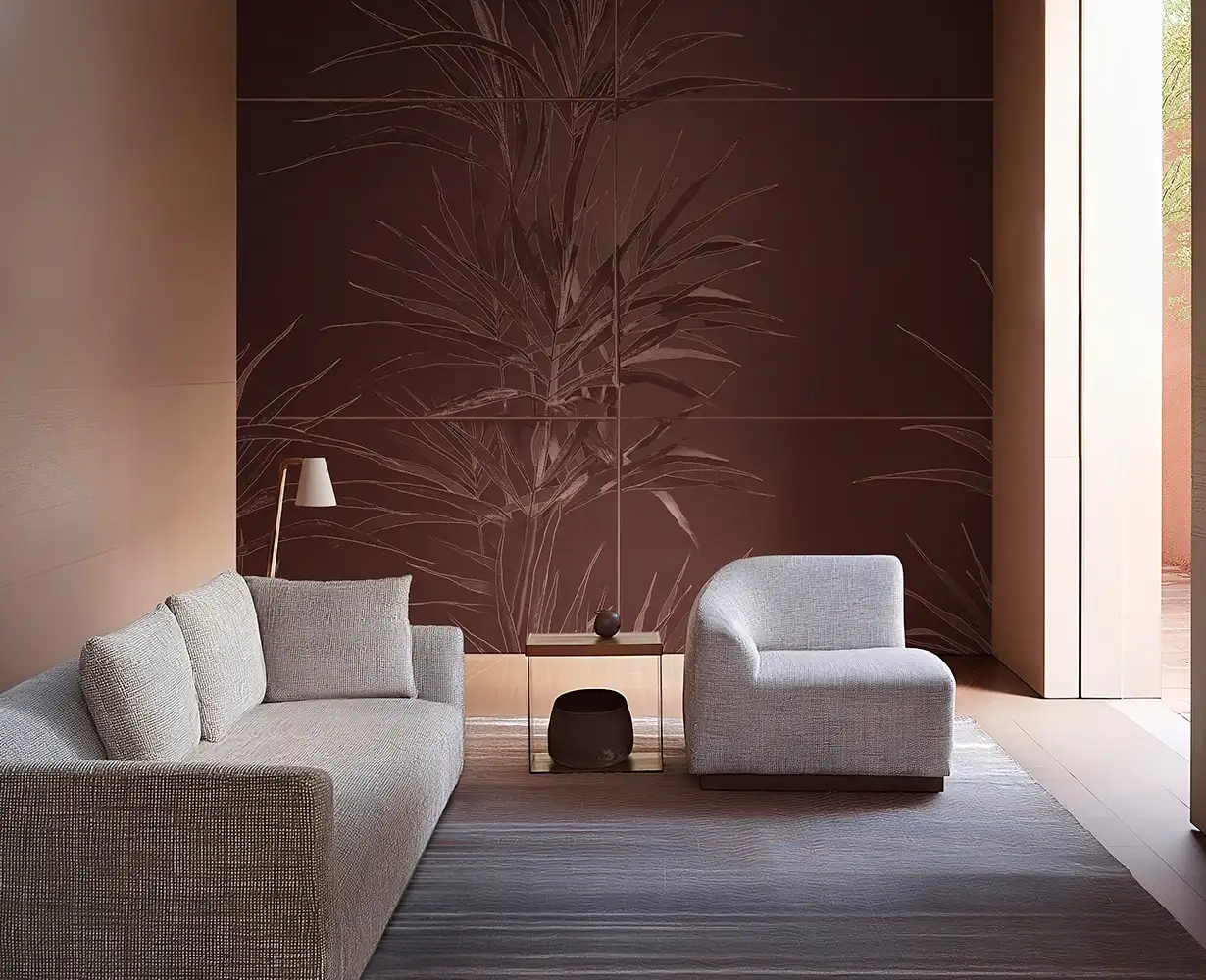
The Mother Earth concept draws inspiration from primordial landscapes shaped by time, such as deserts, sands and clays.
This vision translates into textural wall coverings characterized by soft, imperfect geometries that evoke the human gesture and the relationship with nature.
The color palette includes natural tones such as:
beige - terracotta - deep burgundy tones.
Terracotta emerges as a central element of the visual language, reinterpreted in a contemporary key to create welcoming and intensely material spaces.
Wild Is The Wind: minimalist wallpaper for contemporary architecture
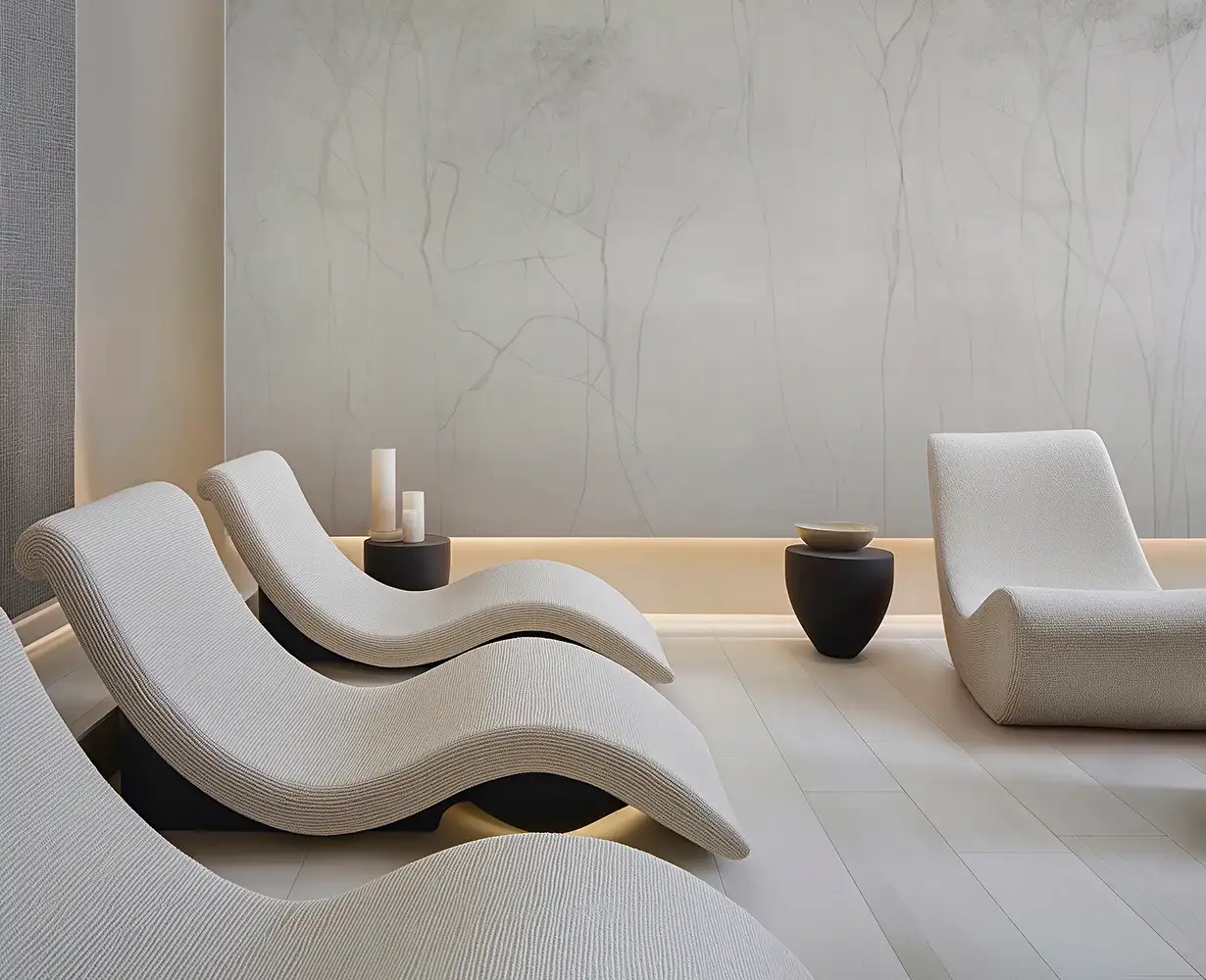
The third concept in the collection, Wild Is The Wind, explores a radical minimalism where subtraction becomes the design language.
Neutral palettes dominated by grays, diffused light and essential surfaces define spaces characterized by strong formal purity.
Elements such as: light grids - raw materials - transparent filters that contribute to creating quiet and refined architectural spaces.
In this design scenario, minimalist designer wallpaper becomes an element capable of defining balance and visual depth in contemporary interiors.
Decorative surfaces for contemporary architecture and interior design
With the Contemporary Wallpaper 2026 Collection, the decorative wall covering takes on a central role in the architectural project.
Decorative vertical surfaces become design tools capable of:
- defining the identity of spaces
- creating immersive atmospheres
- reinforcing the language of contemporary architecture.
The collection moves fluidly between public and private spaces, maintaining a coherent design language based on material quality, design flexibility and aesthetic research.