 en
en  Italian

- 23/04/2026
- Melamine surfaces
- Ceramic surfaces
Index
-
Article description
- Textural surfaces and natural stone: the language of material
- Ceramic surfaces and light: dynamic materiality in design
- Textile materials and decorative surfaces: interpretations of the cosmic imagination
- Luminous surfaces and plastic materials in lighting design
- Wooden surfaces and modular geometries: space and perception
- Surfaces and materials in contemporary design: between cosmic inspiration and design innovation
- Fill the contact form
The renewed interest in space missions, such as Artemis II, has brought space back to the center of design as a source of inspiration for contemporary design.
In the world of surfaces and materials for architecture, the lunar landscape becomes a design reference through:
- textured materials
- cratered surfaces
- deep, mineral hues
Moon-inspired surfaces translate into solutions that evoke:
- visual depth
- light dynamics
- relationships between material and light
Textural surfaces and natural stone: the language of material
Among the materials that best interpret lunar inspiration are natural stones for contemporary design, such as Italian Basalt by Antolini.
This surface stands out for:
- dark, uniform color
- presence of mineral reflections
- pronounced materiality
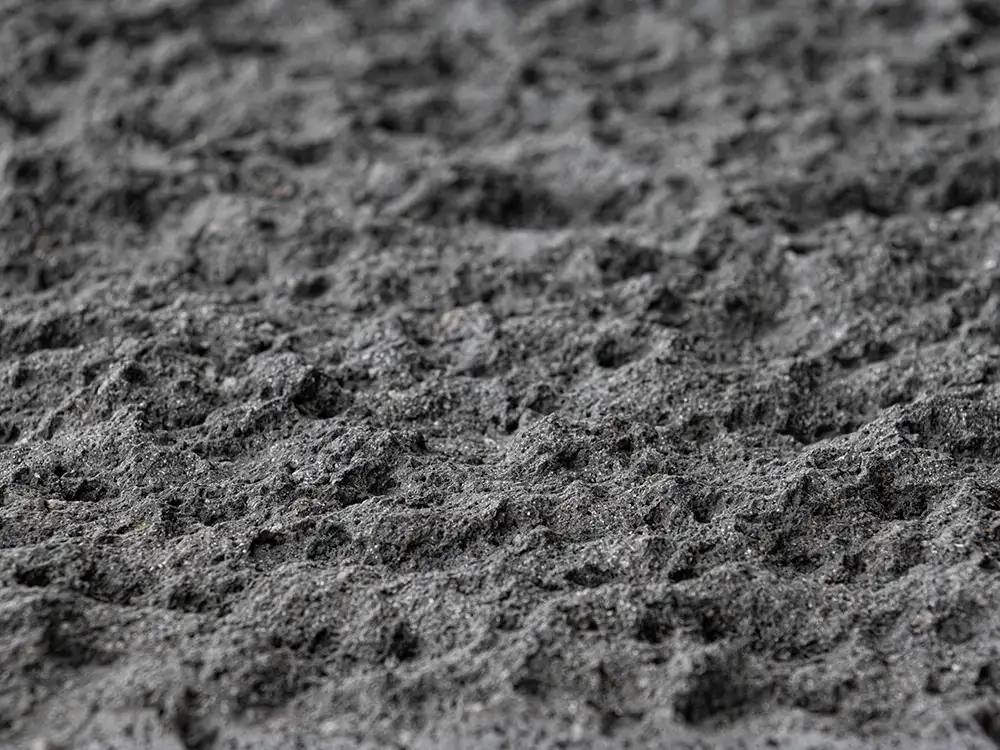
Basalt surfaces evoke volcanic and lunar landscapes, becoming ideal for projects such as:
- interior architecture
- vertical claddings
- decorative surfaces
Ceramic surfaces and light: dynamic materiality in design
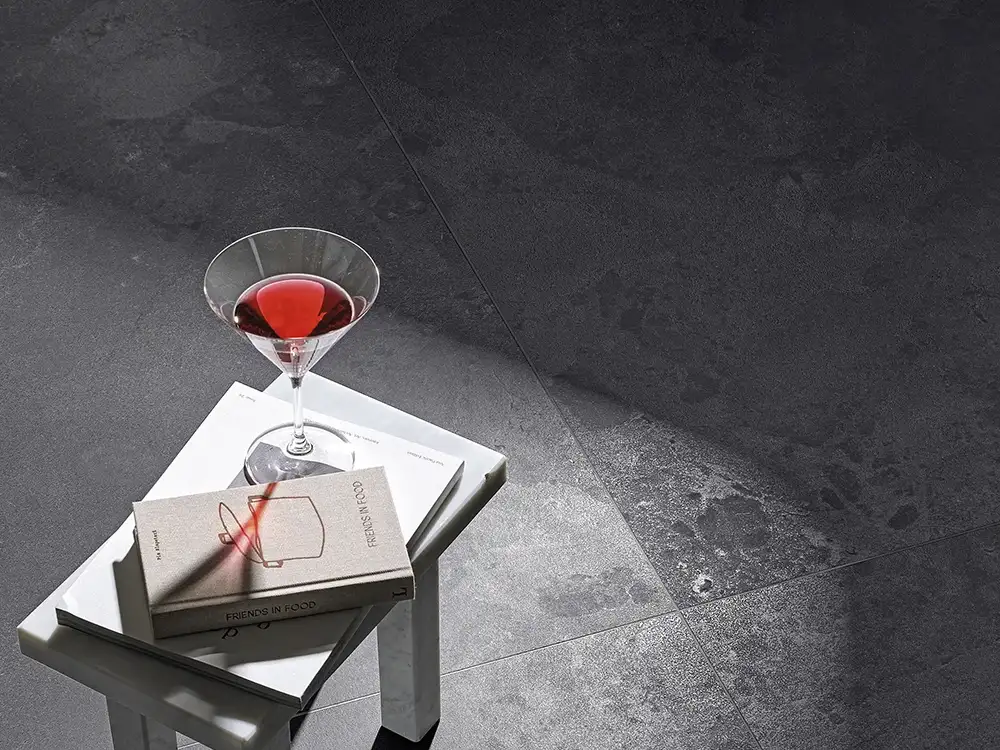
The lunar theme also finds a significant expression in ceramic surfaces for design, as in Ceramiche Refin’s Moon collection.
Key features include:
- mineral inclusions
- shifting effects
- interaction with light
These ceramic surfaces allow the creation of:
- light variations
- material depth
- dynamic visual effects
In surface design, light becomes a fundamental design element, capable of transforming the perception of space.
Textile materials and decorative surfaces: interpretations of the cosmic imagination
Lunar inspiration also extends to textile and decorative surfaces, where patterns and textures evoke space.
Gabel1957’s Planet line translates the cosmos into:
- immersive visual surfaces
- deep patterns
- enveloping atmospheres
Also, the In-Canto rug by G.T.DESIGN uses materials such as bamboo viscose to create:
- reflective surfaces
- soft luminous effects
- a sense of lightness
Luminous surfaces and plastic materials in lighting design
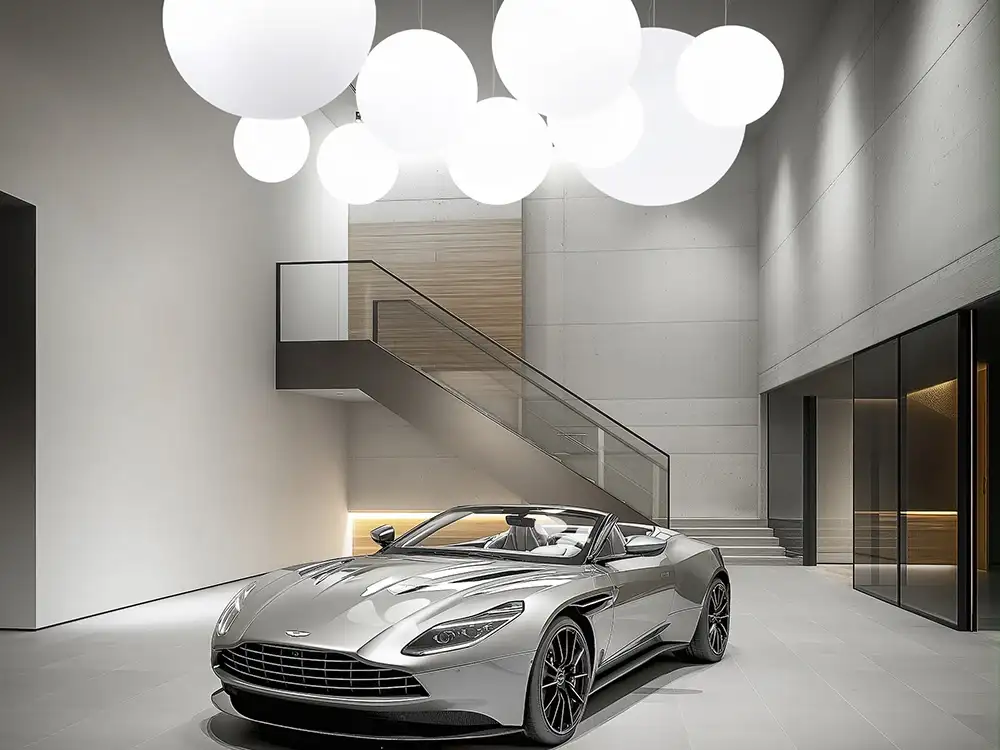
In lighting design, the lunar suggestion translates into luminous surfaces and textured diffusers.
Linea Light Group’s Oh! lamp uses:
- linear polyethylene
- diffuse surfaces
- uniform light
These materials allow obtaining a soft, diffused light, similar to lunar light, contributing to the definition of welcoming environments.
Wooden surfaces and modular geometries: space and perception
The theme of space is also reflected in wooden surfaces for interior design, such as Listone Giordano’s Supernova parquet.
Modular geometries generate:
- variable configurations
- spatial dynamics
- visual effects in motion
Wooden surfaces thus become design elements capable of dialoguing with light and space.
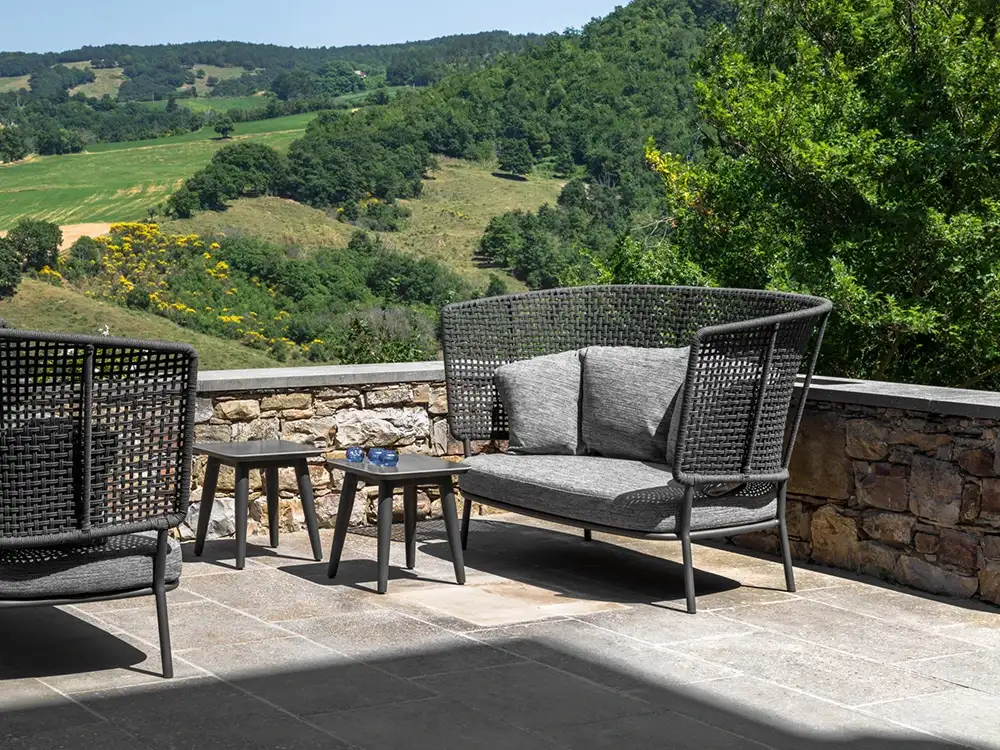
Research on surfaces also extends to outdoor environments, as in Talenti’s Moon ALU collection.
The surfaces and materials used enable:
- creating continuity between indoor and outdoor
- enhancing soft, organic forms
- interpreting space as an integrated system
Surfaces and materials in contemporary design: between cosmic inspiration and design innovation
The evolution of contemporary surface design demonstrates how inspiration can arise even from distant contexts like space, transforming into concrete solutions for architecture and interior design.
From natural stones to ceramic surfaces, to technical and innovative materials, projects today develop through increasingly in-depth research into:
- materiality
- texture
- interaction between light and surface
Textural and decorative surfaces thus become central elements in defining space, able to combine aesthetic value and technical performance.
In this scenario, the reference to the Moon and the cosmic landscape is not just suggestion, but translates into a concrete design language in which materials and surfaces for contemporary architecture assume a strategic role.
Design therefore looks beyond terrestrial boundaries to build new visions, in which surfaces for interior design become fundamental tools to interpret space, light and material in contemporary terms.